
Learning tech through FHG
One such group is FHG, a grassroots tech organization that trains young people in digital skills and freelancing. The unique part in this is that it integrates a sort of multi-level marketing (MLM) model, combined with a traditional Nigerian apprenticeship system.
FHG provides a rare chance for many rural youths to gain tech knowledge through peer-to-peer learning. However, its structure also presents serious challenges. Each local center is run based on the values of its leader, which leads to inconsistencies. Some leaders still endorse corporal punishment, and there’s a noticeable lack of gender inclusion—very few women are part of the community, and even fewer are in leadership.
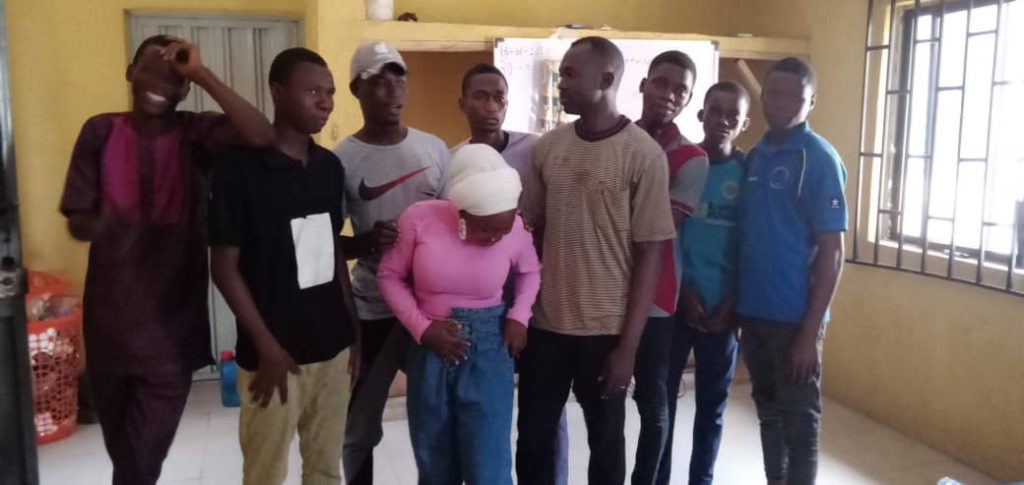

I made it a personal mission to support every woman I met within the organization, equipping them with the knowledge and confidence they needed. Still, I know this isn’t a sustainable solution. The efforts of a few individuals like me can only go so far when the system itself needs restructuring.
What would help is having another organization that gives youth similar opportunities but with better standards. Fedora could step in by helping organize local hackathons or training programs in states that are often overlooked—places that aren’t considered major tech hubs. This could provide both motivation and a standard of professionalism that groups like FHG can look up to and adopt.
Teaching without tools is like farming without land
I’ve also served as a website design instructor in my community. The training fee was intentionally low, but even with that, many students still struggled—not with the concepts, but with access to tools. Most of them didn’t own laptops. In class, they had to share devices or borrow from others just to practice.
Outside the classroom, some graduates couldn’t take on paid gigs because they lacked basic equipment. I’ve lent out my personal laptop to help graduates complete jobs so they could save up for their own devices. But this, again, isn’t scalable.

One way Fedora can support communities like mine is by creating a “tech tool bank”—a system that allows skilled, qualified individuals to borrow necessary hardware until they can afford their own. This would directly address the resource gap that keeps talented people from applying what they’ve learned.
Opening young girls’ eyes to possibilities through Women Techsters Fellowship
I was also part of Women Techsters Fellowship, where we had physical meetups for fellows in my state. We discussed ways to help each other focus and improve our skills. For last year’s International Women’s Day, we organized an outreach called The Tech Girls Drive.
We visited secondary schools to speak with girls about different career paths available in STEM. To my surprise, most of these girls had absolutely no idea about the many career options in STEM fields. When we polled the SS3 (final year) female students about what they planned to study, only about 15-20% mentioned anything STEM-related—and among those, virtually all said nursing.
They were amazed when we showed them so many African women making waves in different STEM fields. They learned that even if they didn’t want to pursue a STEM career, there are amazing fields worth exploring where they could excel.


I connect with this personally because I didn’t know I could study computer science or engineering until I entered university. I was applying for medicine until I got admission for medical physiology, and I accepted it just because it was still related to medicine. It was only later that I discovered my affinity for tech.
This 19th-century mentality shouldn’t still be prevalent today, but unfortunately, it is—especially among teenagers in rural areas. Fedora could help address this by supporting programs like small talks and quizzes on local radio stations. Radio remains a powerful medium in rural communities and could help clear up these misconceptions.
How Fedora can make a difference
Based on my experiences, here are specific ways Fedora could support local tech communities like mine:
- Organize local hackathons in non-major states to provide alternatives to organizations like FHG
- Create a hardware lending program for skilled individuals who lack resources
- Support community radio programs to increase awareness about STEM careers
- Send Fedora contributors and ambassadors to schools for tech talks
- Develop mentorship frameworks designed specifically for rural contexts
- Templates and resources that local organizations could adopt would help standardize practices and reduce problematic behaviors.
The tech revolution shouldn’t be limited to cities. With the right support, rural communities can build thriving tech ecosystems that create opportunities for everyone—regardless of gender or economic background.